
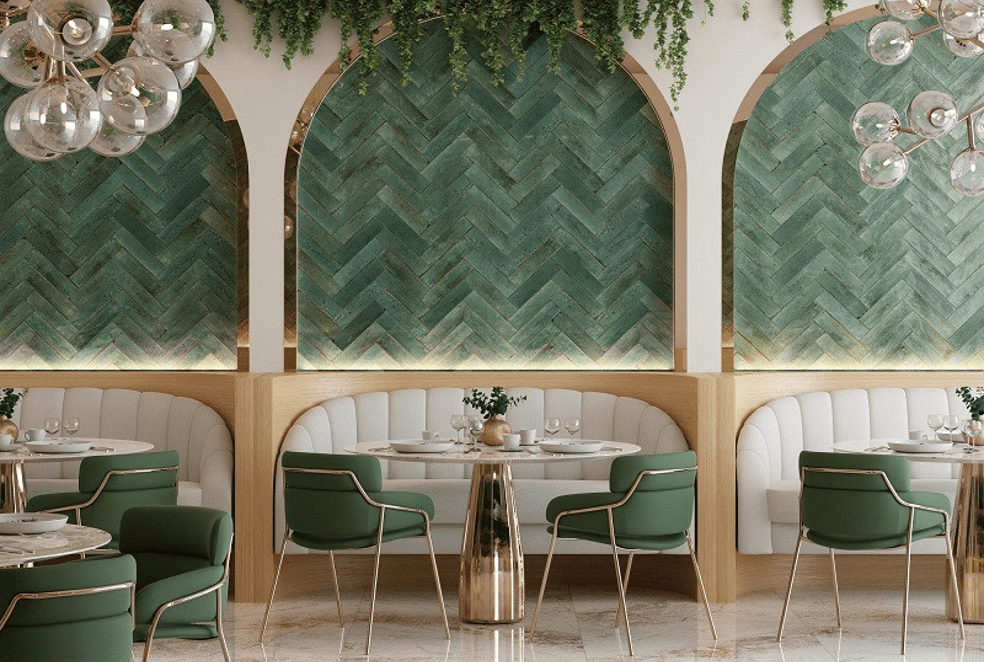
La faïence, ce matériau céramique aux origines anciennes, connaît aujourd’hui un renouveau spectaculaire en architecture d’intérieur. Longtemps perçue comme un art traditionnel, la faïence est désormais au cœur des tendances contemporaines, combinant le charme de l’artisanat avec des touches modernes et audacieuses.
Définition et Histoire de la faïence
La faïence est une céramique fine, caractérisée par un émail blanc opaque qui sert de toile aux motifs peints à la main. Utilisée depuis des siècles, notamment en Italie, en Espagne et en France, elle a orné des palais, des églises, et des maisons bourgeoises, apportant une touche d’élégance et de raffinement. Les motifs traditionnels de la faïence, souvent inspirés par la nature, les scènes de vie ou les ornements floraux, sont un témoignage de l’habileté des artisans de l’époque.
Un nouvel artisanat, de nouvelles techniques
Le renouveau de la faïence s’accompagne d’une évolution technologique. Les artisans utilisent aujourd’hui des techniques modernes pour perfectionner la qualité des émaux et assurer la durabilité des pièces, ainsi que pour réduire l’empreinte carbone. En effet, les matériaux privilégiés à l’heure actuelle sont principalement naturels et durables, parfois recyclés.
Par ailleurs, des collaborations entre designers et céramistes permettent d’explorer de nouvelles formes et de repousser les limites de ce matériau traditionnel.
Cependant, malgré ces innovations, l’esprit de la faïence reste profondément ancré dans l’artisanat. Chaque pièce, qu’elle soit traditionnelle ou moderne, est le fruit d’un travail manuel minutieux et d’une attention aux détails.
La faïence en 2025 : quel design pour cette tendance ?
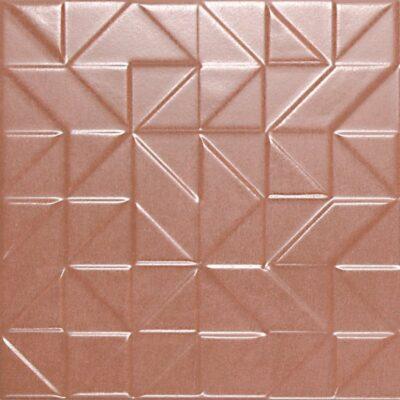
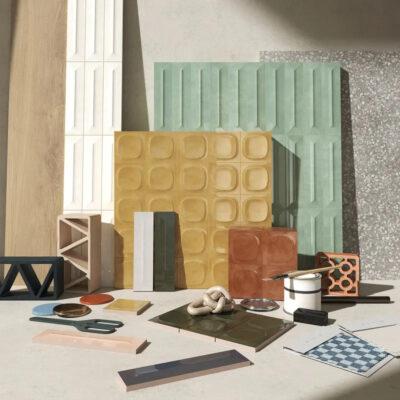
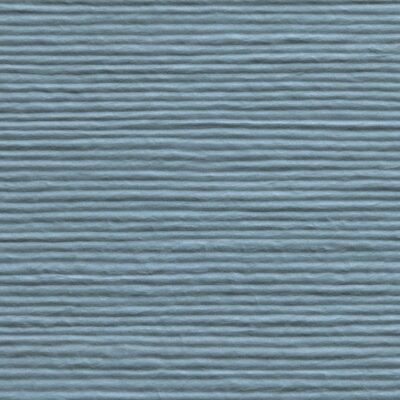
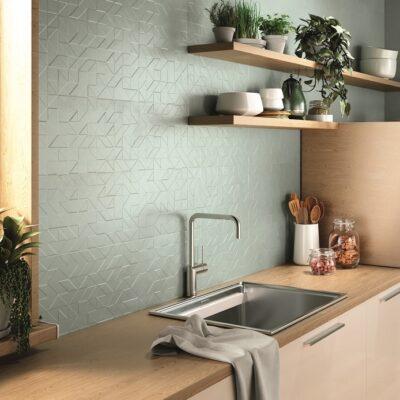
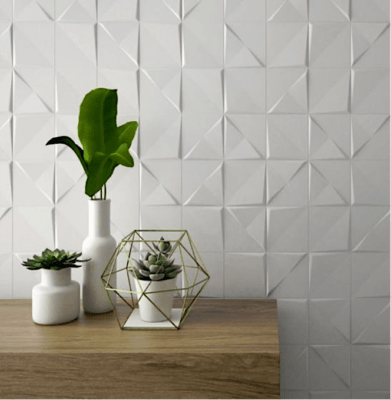
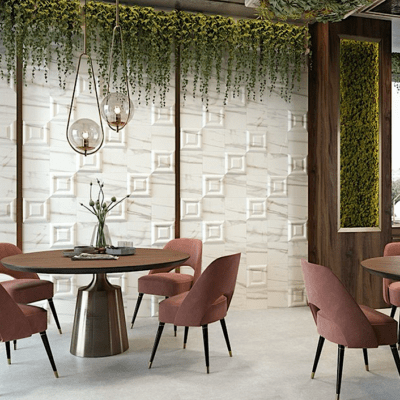
La faïence s’éloigne des surfaces planes que l’on peut observer traditionnellement, pour prendre place et s’épanouir en trois dimensions. Ainsi, les carreaux en relief et les formes pleines de dynamisme deviennent des éléments centraux, apportant profondeur et dynamisme aux murs et sols d’un espace. Ces motifs peuvent être géométriques, inspirés de formes naturelles ou bien être le fruit d’un travail artistique plus complexe, presque sculptural.
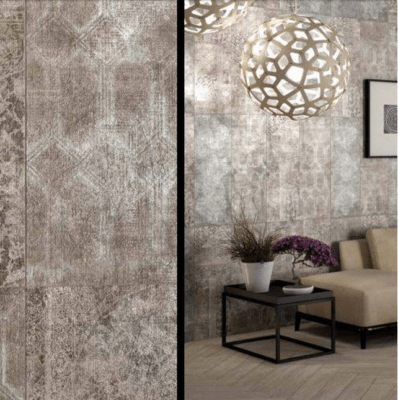
En termes de matériaux, elle intègre des mélanges de céramique traditionnelle avec le marbre, la pierre naturelle, et même le métal pour apporter des reflets subtils et des textures plus singulières.
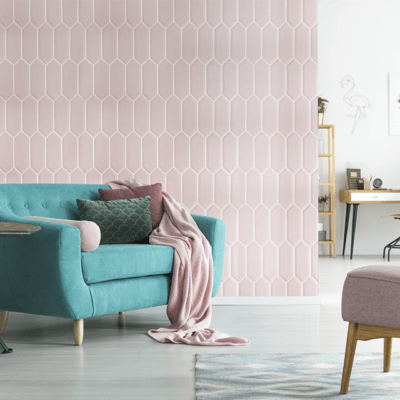
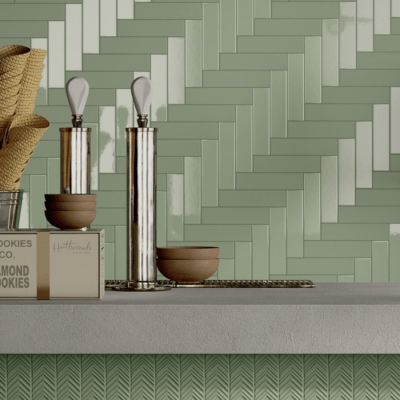
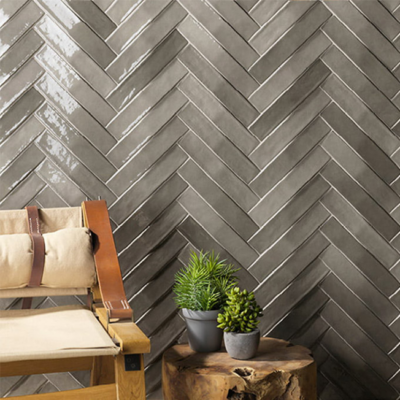
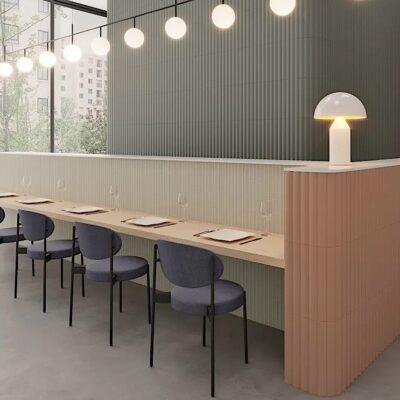
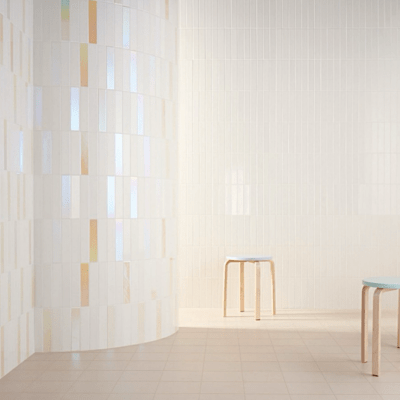
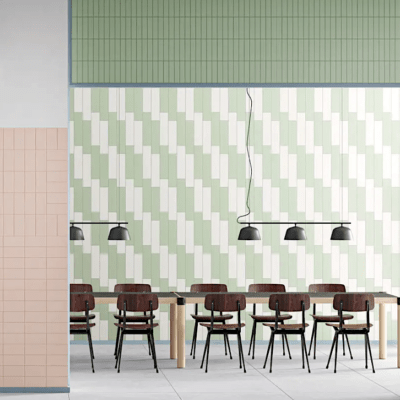
La palette de couleur s’oriente quant-à-elle vers des tons pâles et apaisants, tels que des nuances de blanc cassé, de beige et de gris perle, ou encore des pastels comme le vert matcha, le rose poudré, et le bleu ciel. Ces couleurs sont notamment plébiscitées du fait de leur capacité à agrandir visuellement les espaces et à créer une atmosphère détendue. Le choix est souvent fait de combiner avec des finitions brillantes, dans le but d’apporter une touche de luxe et de modernité, tout en captant la lumière pour créer des reflets subtils et des jeux de brillance.
Une utilisation polyvalente en architecture d’intérieur
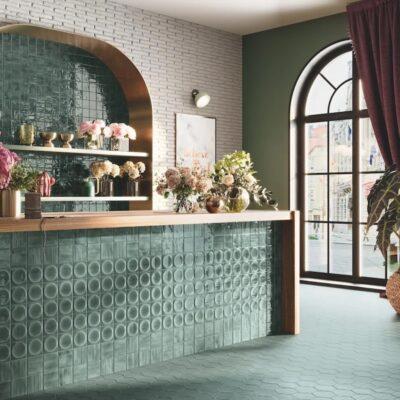
La faïence n’est plus cantonnée aux seules cuisines et salles de bains. Elle envahit désormais tous les espaces, y compris professionnels, tels que les zones d’accueil, de détente, les terrasses, les cafétérias…Les carreaux de faïence aux motifs artistiques sont utilisés pour créer des murs d’accent saisissants.
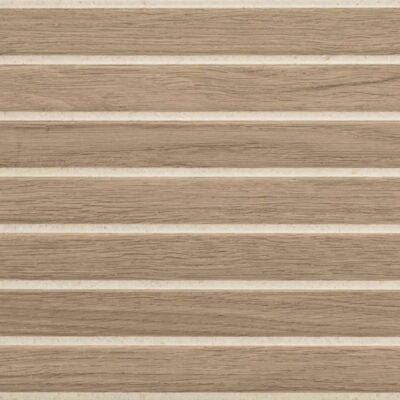
Dans les espaces contemporains, la faïence peut également servir de contraste intéressant avec des matériaux plus bruts, comme le béton, le bois ou le métal. Elle adoucit les lignes épurées et ajoute une dimension tactile et visuelle qui capte l’attention sans être envahissante.
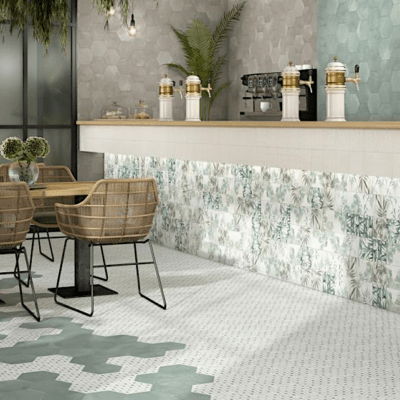
Pour conclure, la faïence s’impose comme l’un des matériaux phares en 2025 en architecture d’intérieur. En réinterprétant ce symbole d’authenticité et d’Histoire, les designers et artisans redonnent vie à un art qui allie élégance, modernité et durabilité.