
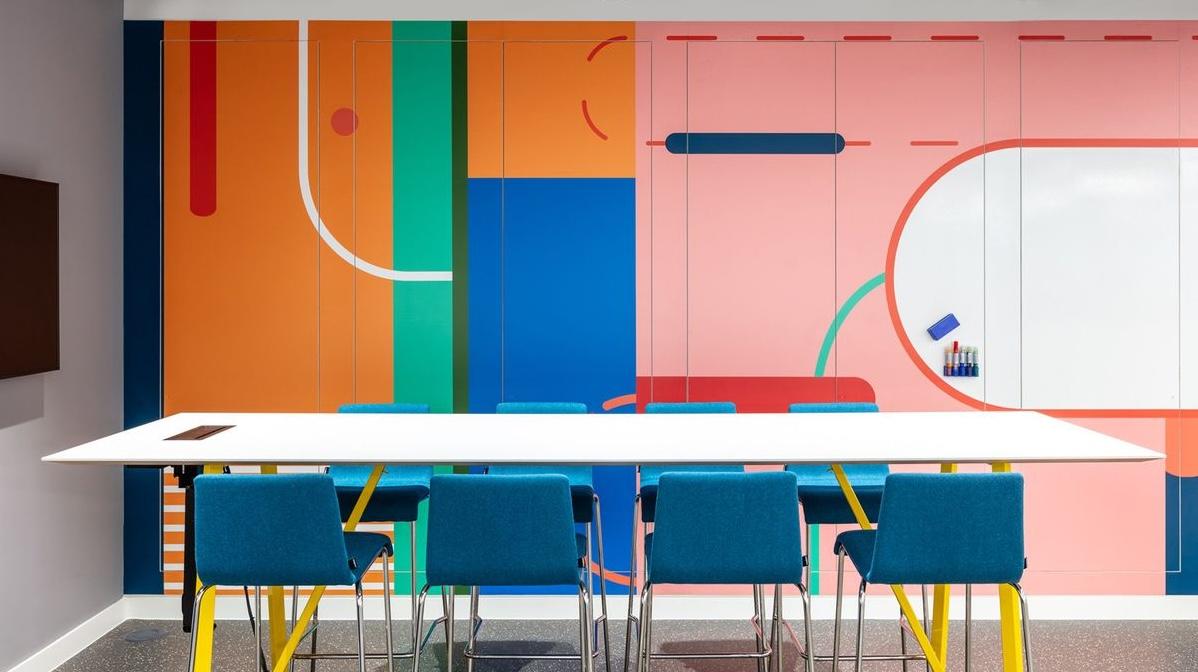
L’étonnante tendance des motifs régressifs va de pair avec l’évolution récente des espaces de travail vers une approche centrée sur le bien-être des employés et la personnalisation. Ces motifs, qui s’inspirent souvent des éléments nostalgiques de l’enfance et des époques passées, suscitent un sentiment de sécurité, de joie et de légèreté, insufflant de l’humain dans des lieux souvent perçus comme froids ou fonctionnels.
Qu’est-ce qu’un motif régressif ?
Un motif régressif se caractérise par des dessins, textures ou formes qui rappellent l’enfance ou les décennies passées. Cela inclut :
- Les personnages de contes ou de dessins animés.
- Les formes arrondies, simples et rassurantes.
- Les motifs inspirés des jeux de société ou des dessins d’enfants.
- Les références aux années 70 à 90, comme les couleurs pastel, les arcs-en-ciel, ou les imprimés répétitifs.

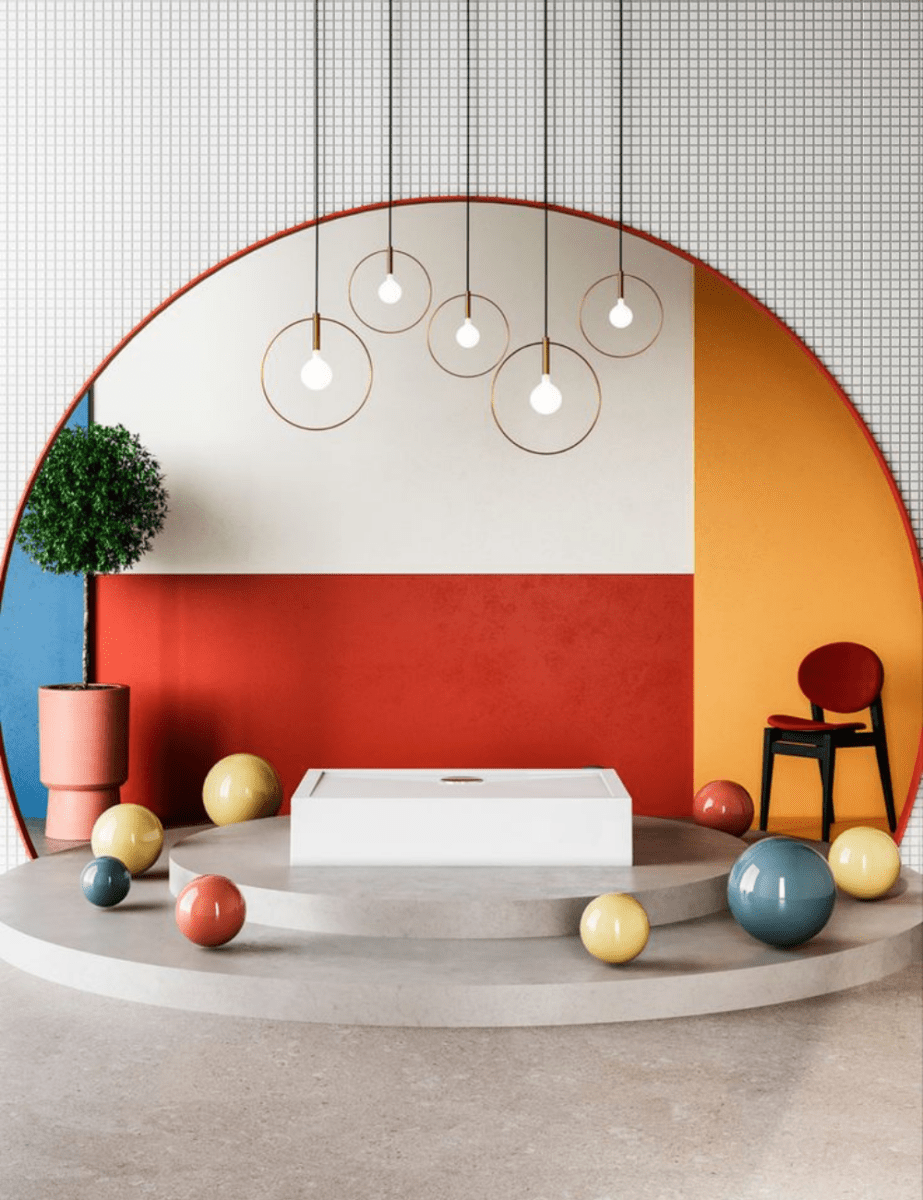
Les influences de la tendance “régressive”
Cette tendance puise dans des influences variées :
- Le mouvement Memphis-Milano : Créé dans les années 80, ce courant se distingue par son rejet des designs traditionnels au profit de motifs audacieux et discordants. Ses couleurs vives, ses formes tubulaires et son esthétique kitsch trouvent aujourd’hui un nouvel écho.
- La culture pop des années 70 à 2000 : Cartoon, motifs psychédéliques, et palette arc-en-ciel reflètent une créativité joyeuse et accessible qui s’insinue dans les intérieurs modernes.
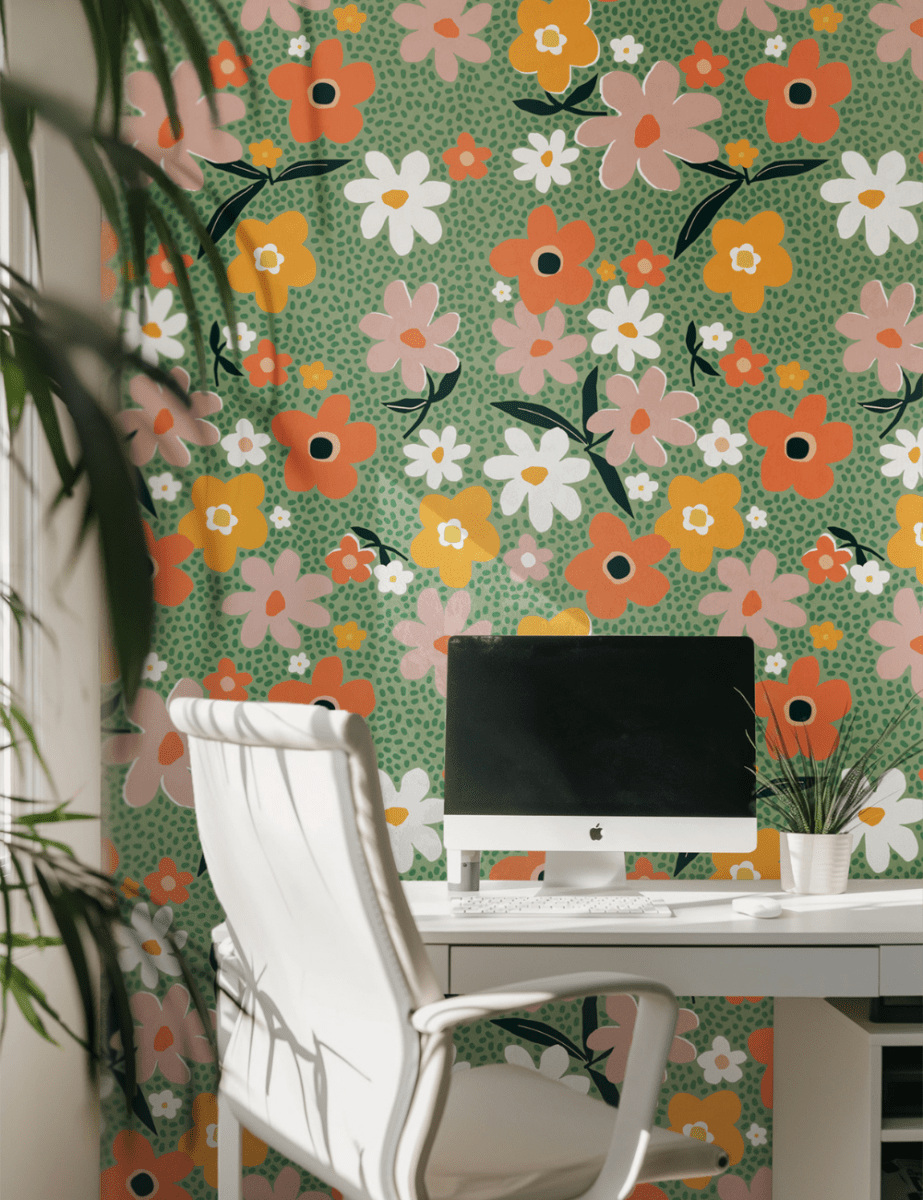
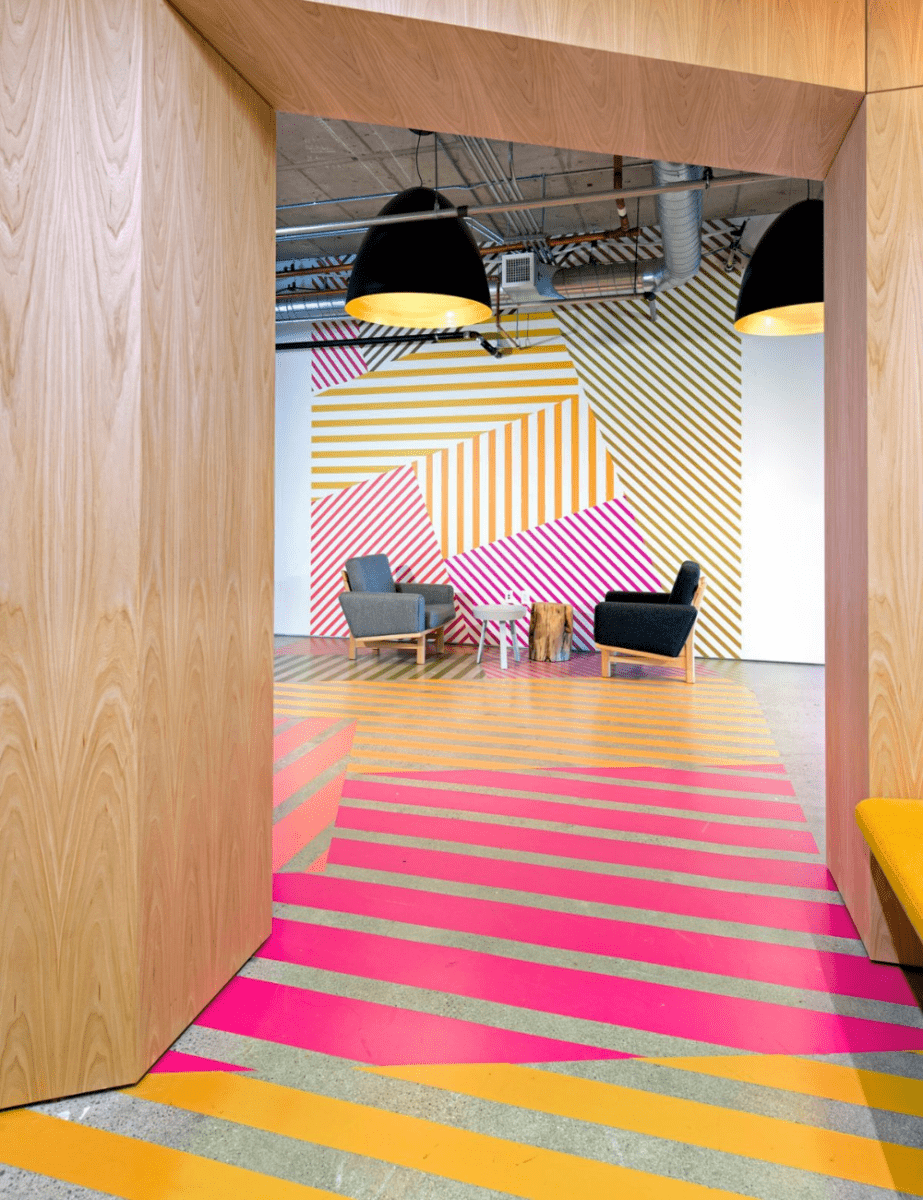
Pourquoi cet engouement dans les espaces professionnels ?
Trois principaux facteurs expliquent la popularité grandissante des motifs régressifs dans les lieux de travail :
- Améliorer le bien-être des employés : Dans un contexte professionnel souvent marqué par la pression et les deadlines, les motifs régressifs créent une atmosphère apaisante et accueillante. Ils peuvent contribuer à réduire le stress et à augmenter la productivité.
- Stimuler la créativité : Ces motifs, par leur aspect ludique et nostalgique, favorisent un environnement propice à l’émergence d’idées nouvelles et à la réflexion créative.
- Renforcer l’identité de l’entreprise : Intégrer des motifs régressifs dans les espaces professionnels peut refléter une culture d’entreprise ouverte, axée sur l’humain et l’innovation.
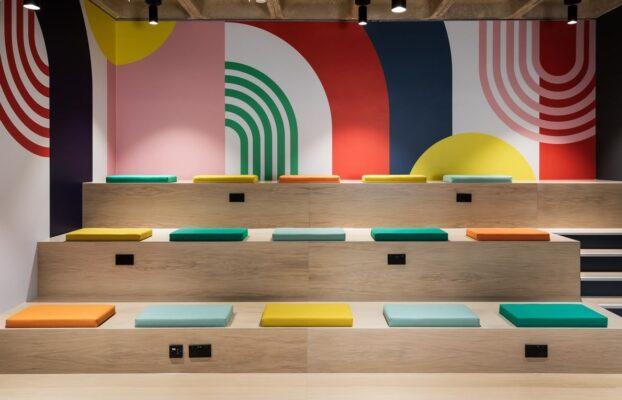
Comment intégrer les motifs régressifs dans des espaces professionnels ?
L’intégration de motifs régressifs dans l’architecture d’intérieur des espaces professionnels requiert un subtil équilibre afin de préserver une ambiance favorable au travail. Voici quelques conseils pour y parvenir.
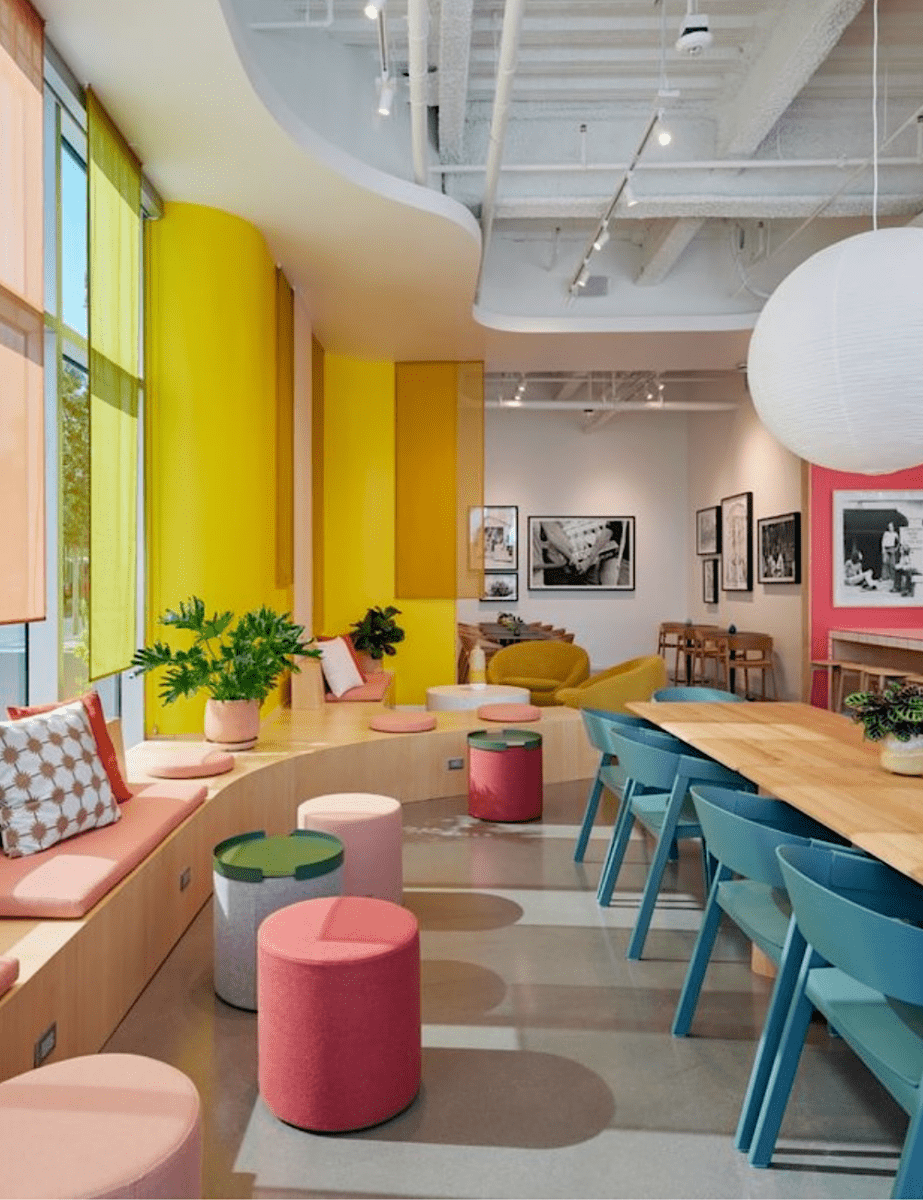
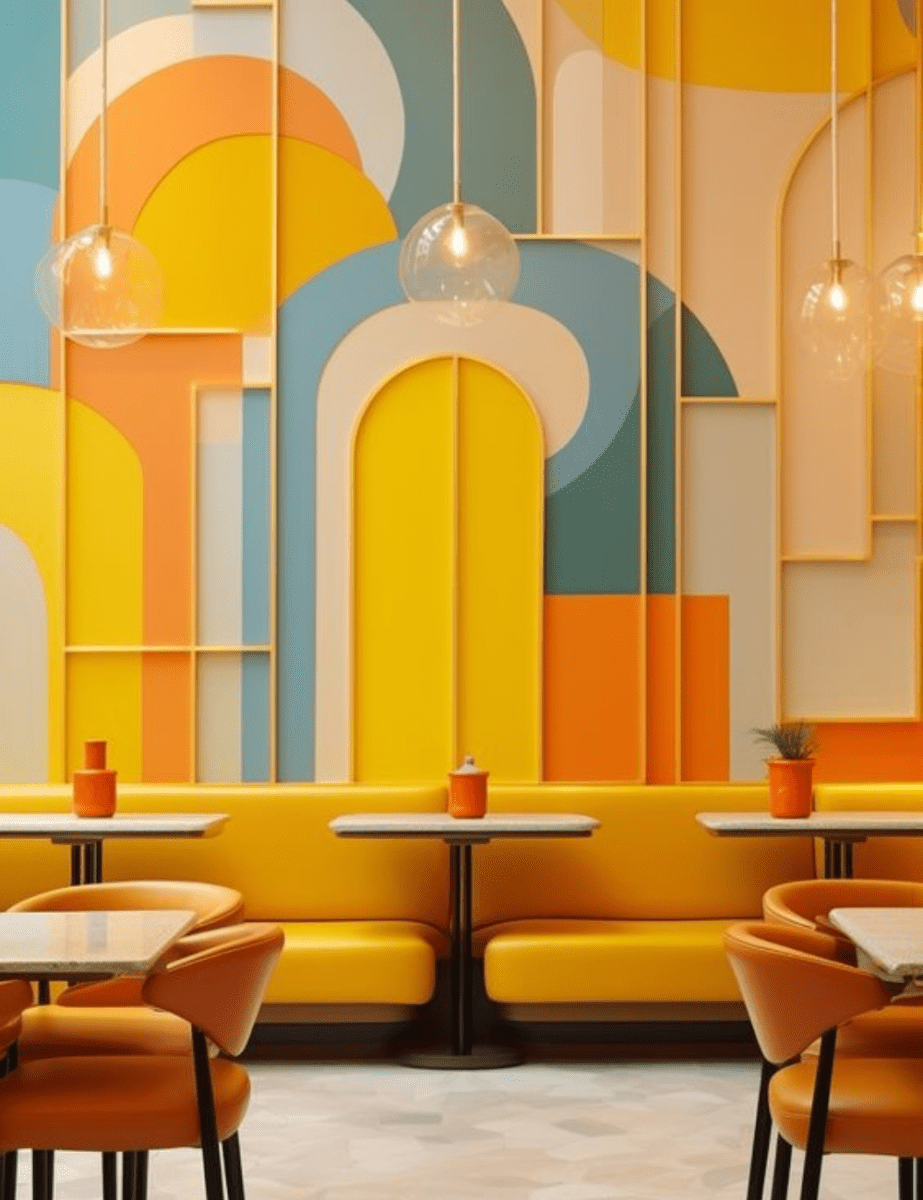
Les zones de détente
Dans les espaces de repos ou les cafétérias, optez pour des motifs comme des nuages, des étoiles ou des formes géométriques colorées pour apporter une touche ludique.
Les salles de brainstorming
Introduisez des tableaux ou des papiers peints à motifs régressifs pour stimuler la créativité des équipes lors des réunions. Ces éléments peuvent agir comme des catalyseurs pour des discussions dynamiques.
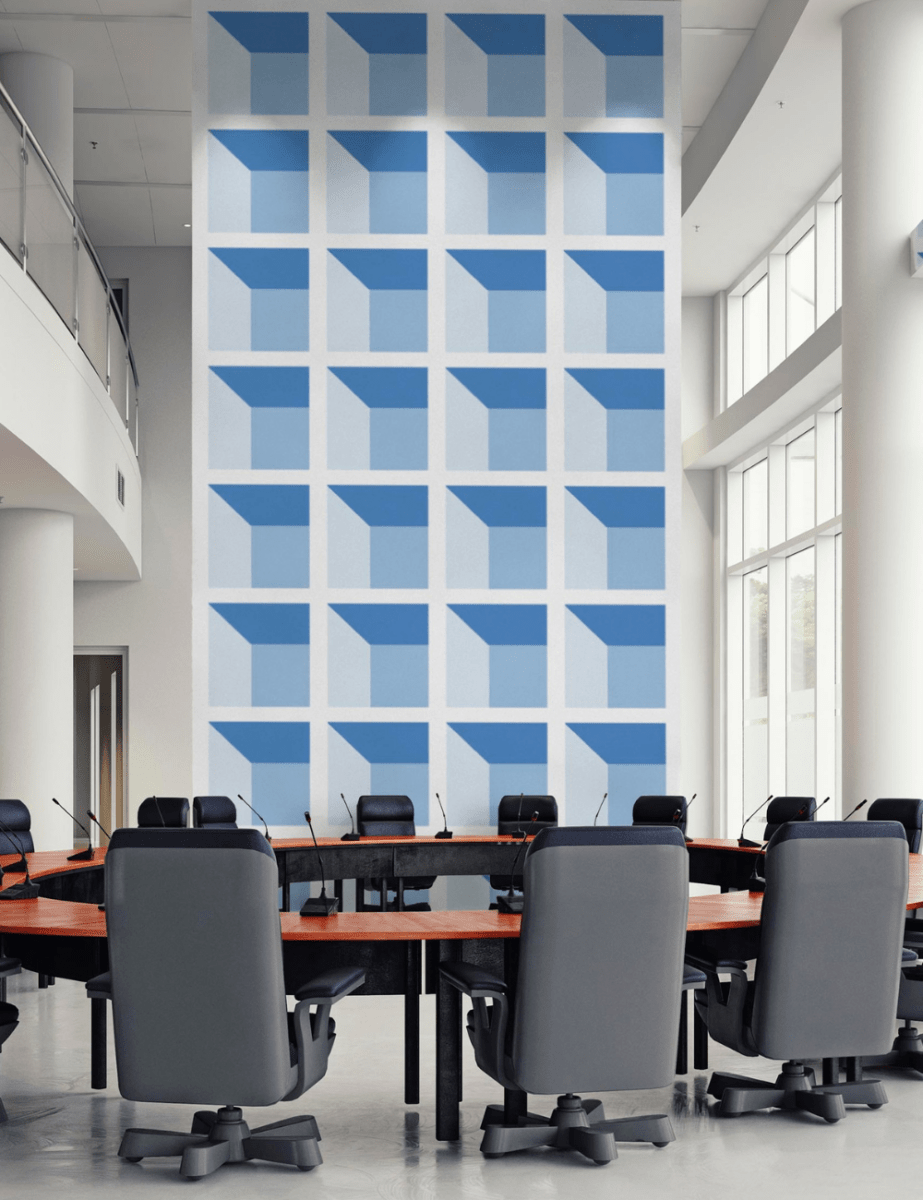
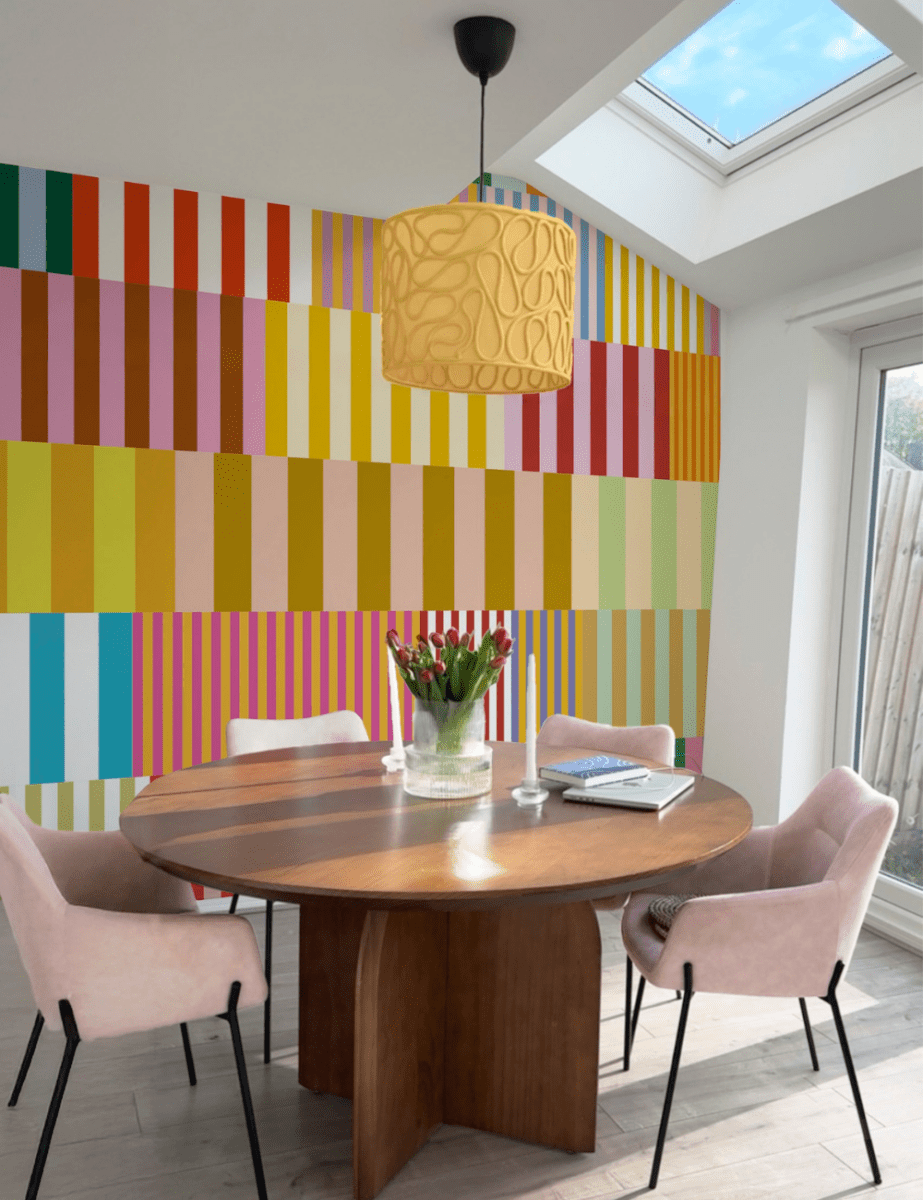
Les espaces d’accueil
Des accessoires ou des décors avec des motifs régressifs dans les réceptions ou les salles d’attente créent une première impression positive et originale.
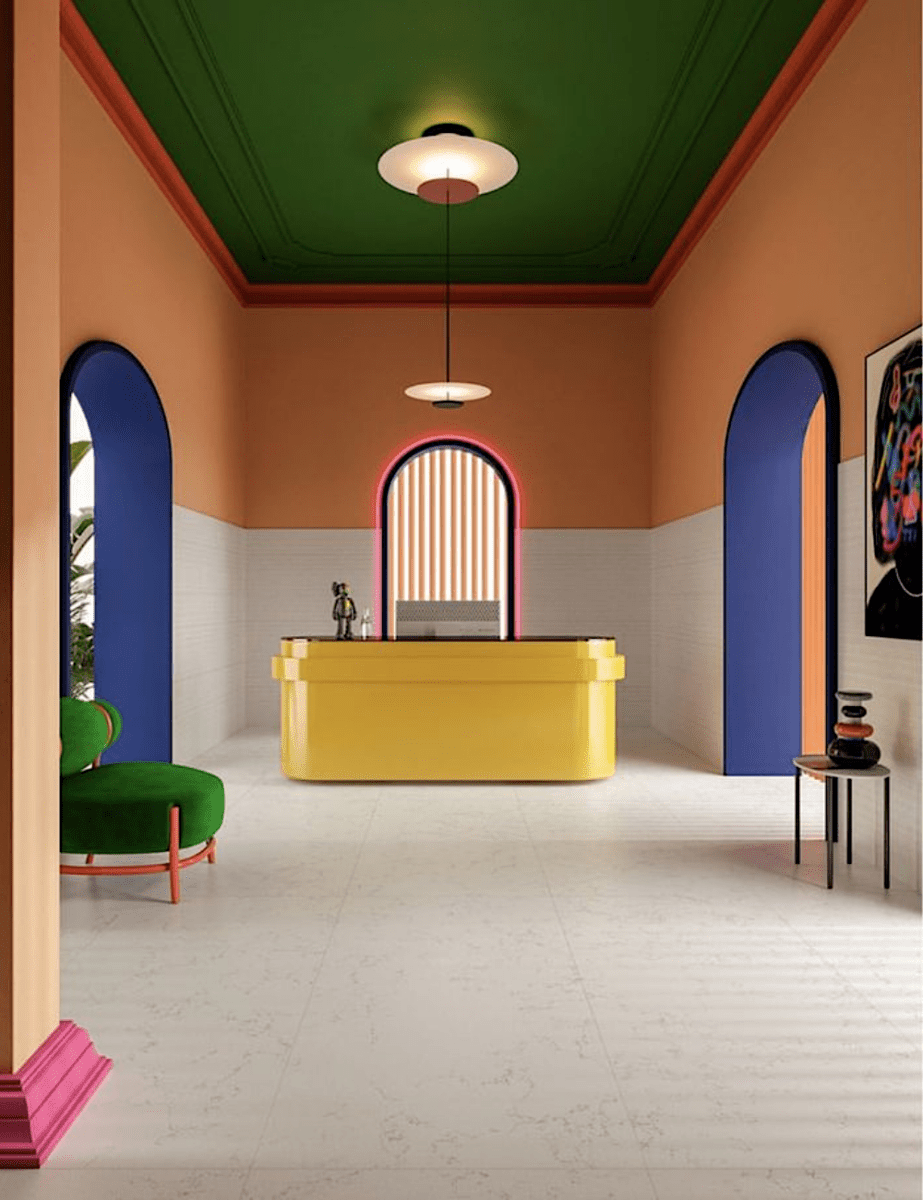
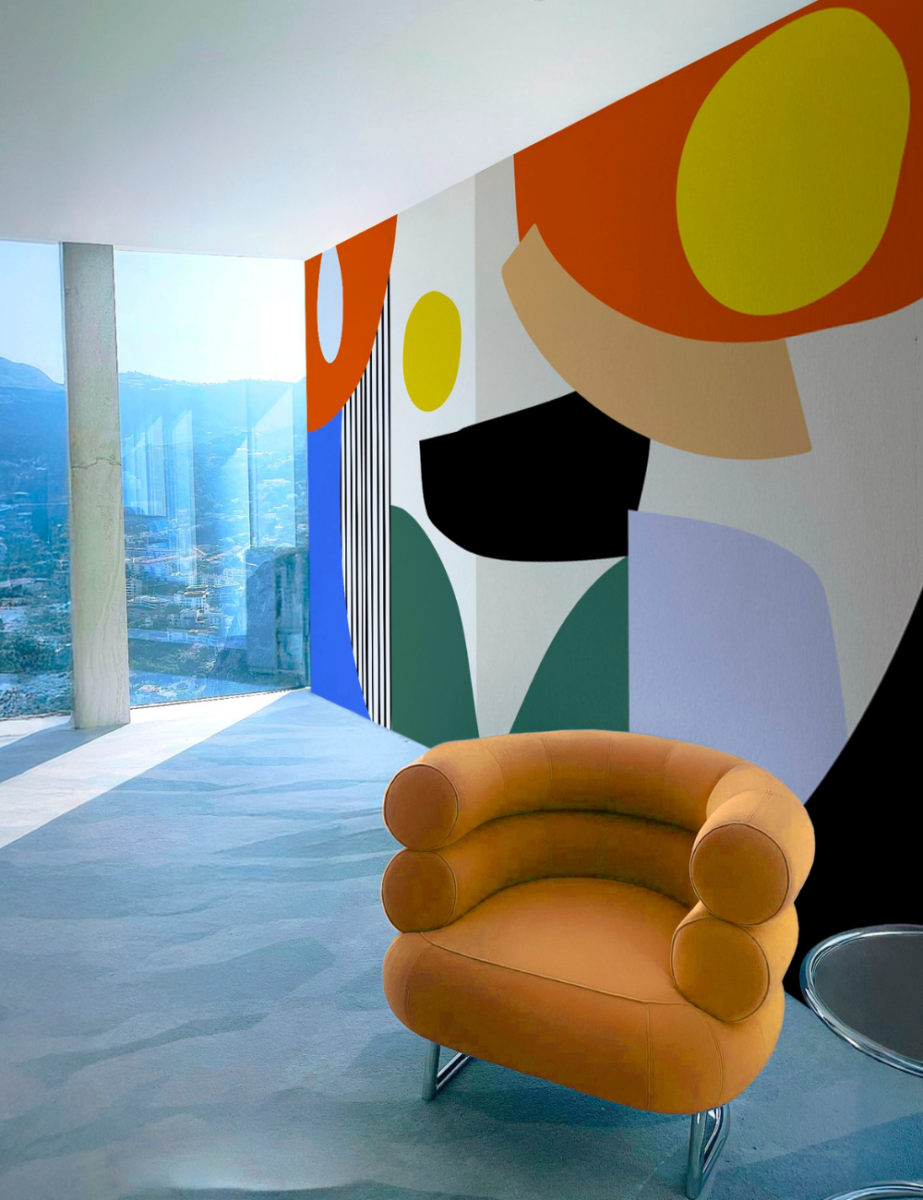
En somme, ces motifs ne sont pas simplement un effet de mode : formes arrondies, couleurs pastel ou fluos, objets au design amusant… tout invite à réévaluer la décoration comme un véritable levier de performance et de satisfaction en entreprise. Ils marquent un retour aux sources, une célébration de la joie de vivre, même dans les environnements les plus sérieux.