
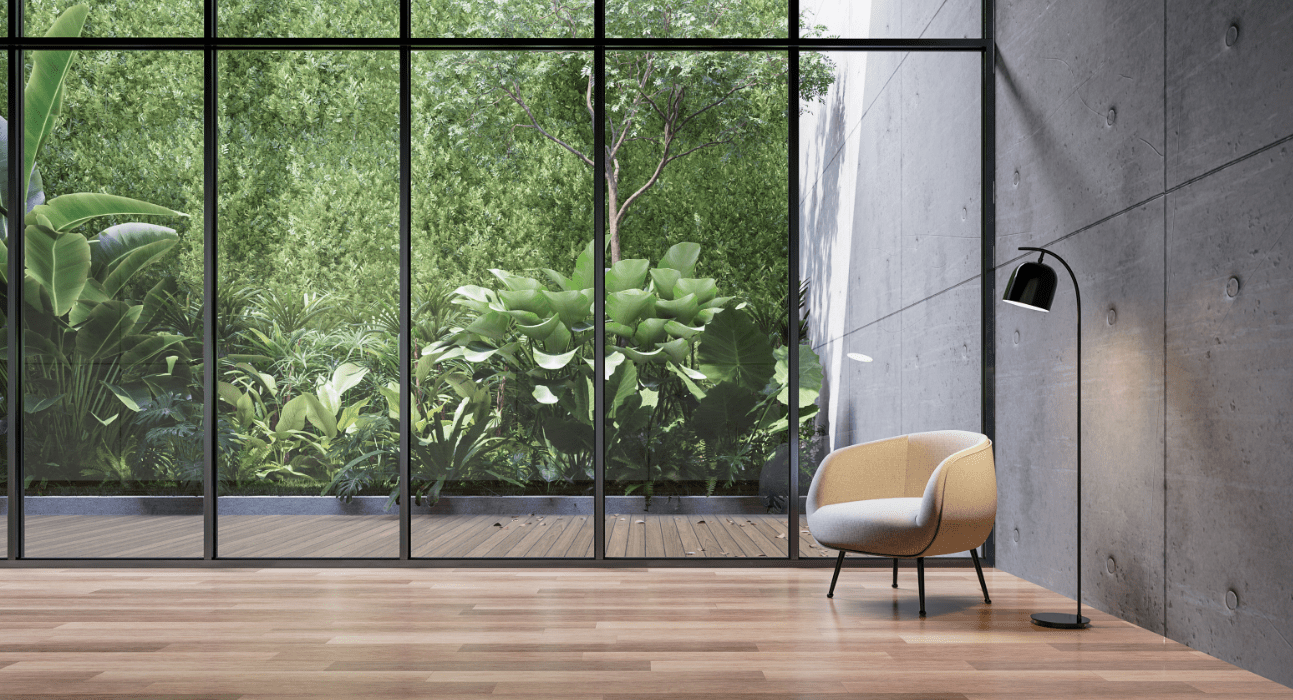
Biophilia can be defined as "the expression of the human need to live in close interaction with the natural environment". Applied to architecture and design, it is a constantly evolving practice that aims to make the built environment healthier and more conducive to the well-being of its occupants, by making direct and indirect use of nature.
The ABCs of biophilic design
Because we now spend 90% of our time in the built environment, biophilic design seeks to satisfy our innate need to associate with nature. Designed to mimic natural features, forms and processes, this design seeks to integrate natural elements or credible imitations of nature into built spaces.
Key elements are :
- Nature in space: Introduce natural elements such as light, plants, water and organic materials into interior spaces. These organisms should form a complementary, interconnected whole - in other words, an ecosystem.
- Imitating nature: Use patterns, textures and shapes that mimic nature, such as fractals*, to create a visually soothing and stimulating environment.
- The sensory experience: Promote a multi-sensory experience, using biodiversity to get a view of nature, hear sounds such as water running off, smell plants or flowers...
- Emotional attachment: satisfying our inherent inclination to associate ourselves with nature to generate an emotional attachment to particular places, and thus develop our involvement and motivation.
- Engagement and connection: Encouraging interaction and engagement with nature through accessible outdoor spaces, community gardens and views of natural landscapes. Indeed, effective biophilic design fosters connections between people and their environment; enhancing feelings of connection and a sense of community.

The main challenge of biophilic design
The central challenge of biophilic design lies in its ability to fill the gaps present in the modern built environment by introducing an innovative framework for beneficial cohabitation with nature.
To effectively meet this challenge, the ways in which nature can be integrated into spaces are varied:
- Direct experience: light, air, water, plants, animals, natural landscapes and ecosystems, weather.
- Indirect experience: images of nature, natural materials, natural colors, mobility and orientation, cultural and ecological attachment to place, simulation of natural light and air, naturalistic shapes and forms, evocation of nature, change and patina of time, natural geometries, biomimicry.
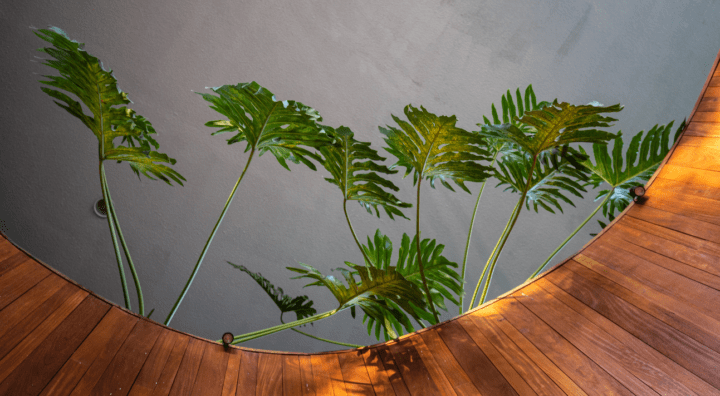
The 5 key principles of biophilic design
- Natural light: Introducing natural light into interior spaces is one of the fundamental principles of biophilic design. It improves indoor air quality, regulates circadian rhythms and creates a dynamic, changing atmosphere throughout the day.
- Green spaces: Indoor plants are not only decorative elements, they also regulate humidity, filter natural air and have soothing properties.
- Views of nature: offering views of landscapes or natural features such as waterways, trees or parks helps reduce stress, improve concentration and promote general well-being.
- Natural materials: Favoring the use of natural materials such as wood, stone and bamboo in the design of interior spaces to create a warm, authentic atmosphere, while reducing the environmental footprint.
- Biodiversity: Encourage the diversity of plant and animal species in outdoor spaces, such as gardens and green roofs, to promote ecological health and provide opportunities for observation and interaction with nature.
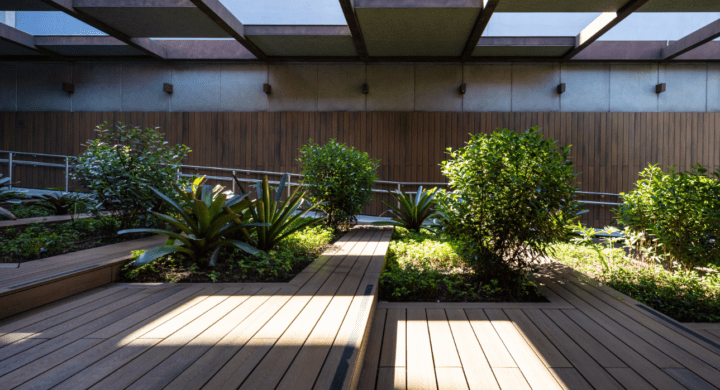
In short, biophilic design offers a holistic approach to the design of spaces that goes beyond aesthetics to integrate the tangible and intangible benefits of nature into our daily lives. By adopting these principles, wecan create built environments that promote well-being, productivity and connection with our natural surroundings.
*Incredible geometric shapes repeated in nature: orchids, ferns, romanesco cabbage...